Effective pain management in the prehospital and emergency situation environment is a craft as high as an expertise. PUAEME008 Give Discomfort Administration brings structure to that craft. The system focuses on evaluation, treatment, and continuous evaluation, and it rests at the crossway of clinical judgment, interaction, pharmacology, and security. I have instructed and analyzed many students via this content for many years, from paramedic pupils to seasoned nurses seeking to increase their scope. The very same styles return each time: quality in assessment, precision in dosing, respect for risk, and relentless reassessment.
This article unpacks what the PUAEME008 provide pain administration system expects in technique, just how an offer discomfort administration program usually runs, and just how specialists in various roles can utilize it to develop their discomfort monitoring training. Whether you are exploring brief training courses hurting monitoring for intense treatment or going for a discomfort administration certification course that aligns with rescue market structures, you will certainly discover practical details here.
The scientific stakes
Untreated or undertreated discomfort is not just vicious, it has repercussions. Pain enhances considerate drive, raises heart price and blood pressure, and fuels anxiety. In the injury patient it can exacerbate blood loss. In older grownups it adds to ecstasy. In youngsters it weakens trust fund and makes complex future treatments. On the other side, improperly selected or extreme analgesia can depress ventilation, rare evolving pathology, or create hemodynamic instability. PUAEME008 instructs that balance: treat discomfort as the fifth essential indicator while guarding air passage, breathing, and circulation.
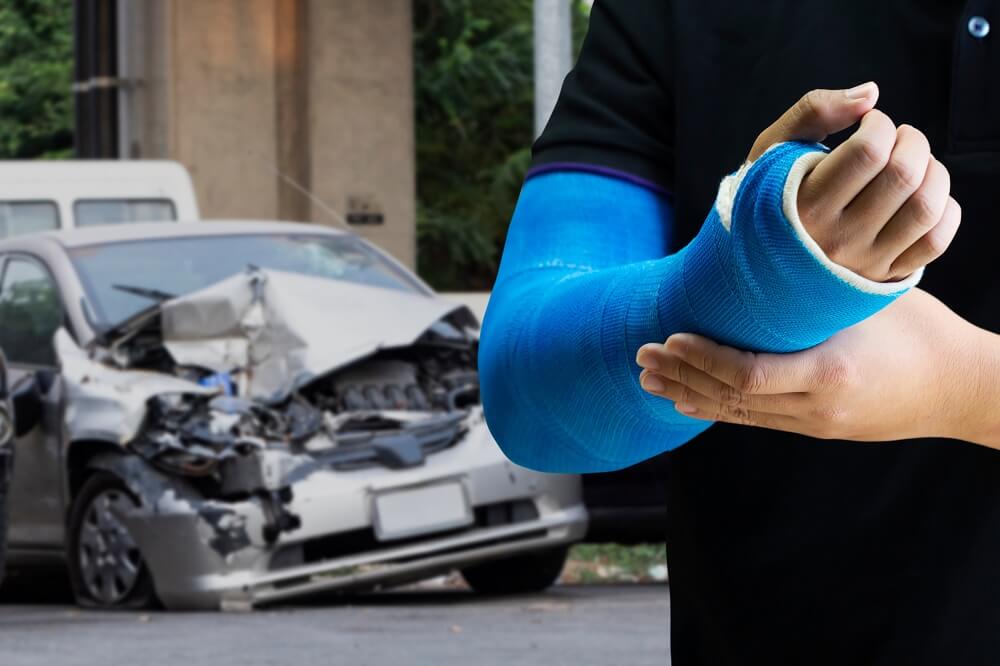
I remember a country automobile rollover where the first-on responder was a volunteer with minimal pharmacological options. They had training lined up with PUAEME008. With systematic evaluation, they used non-pharmacological approaches and titrated breathed in methoxyflurane while waiting for an advanced crew. The patient got to the ED with controlled discomfort, undamaged respiratory tract reflexes, and secure vitals. That result reflects the device's core method: analyze, intervene attentively, evaluation, and escalate when needed.
What PUAEME008 really covers
The unit title is blunt: Supply Discomfort Monitoring. Under the hood, it collections right into three domains.
Assessment precedes. Students need to take a pain history with accuracy, map quality and personality, and anchor it to vitals and context. The unit expects fluency with discomfort scales like numeric ranking scales, Wong-Baker for youngsters, and aesthetic analog devices, and the capacity to adapt when an individual can not self-report, for example utilizing FLACC for preverbal youngsters or behavior discomfort scales for the intubated. It additionally needs situational analysis: mechanism of injury, warnings recommending time-critical pathology, and environmental elements that may affect both discomfort and the plan.
Intervention extends both non-pharmacological and medicinal tools. Non-pharmacological methods are never just cushioning in this device; they matter. Positioning, splinting, ice or heat where ideal, spoken reassurance, and energetic diversion have measurable effects. Pharmacology after that layers on: inhaled anesthetics like methoxyflurane, nitrous oxide/oxygen mixes where readily available, dental representatives such as paracetamol and advil, and parenteral choices like fentanyl, morphine, or ketamine depending on the expert's range and local procedures. The system does not turn every pupil right into an innovative life assistance paramedic. It educates risk-free, evidence-consistent options within scope.
Review is not a token action. The system cooks in reassessment periods and the assumption of result measurement. Did the discomfort score decline within mins of the intervention? Did respiratory rate or end-tidal carbon dioxide change? Are sedation scores wandering up? If you can disappoint improvement or you detect early unfavorable results, you should adjust the strategy quickly.
Who must consider this discomfort administration course
The target market for PUAEME008 is wide, and that is part of its toughness. It is frequently packaged as an offer pain monitoring course within emergency situation clinical reaction programs and professional certifications that feed into ambulance assistance duties. It also shows up hurting monitoring training for nurses that operate in immediate care, occasion medicine, or rural and remote facilities. Lots of physio therapists finishing pain management courses for physiotherapists want to bridge hands-on treatment and intense analgesia skills, specifically in sports or work-related setups where very first action matters.
If you currently hold a pain management certification or a wider discomfort administration qualification that focuses on chronic pain, PUAEME008 will certainly feel more tactical. The focus is on emergency pain administration, intense evaluation under time stress, and brief half-life medicines that are titratable with a fast start. For clinicians who primarily see postoperative or persistent pain, this supplies a corresponding ability set.
What a training course looks like in practice
A quality discomfort monitoring training program that supplies PUAEME008 typically runs as a combined program. Expect pre-reading on analgesic pharmacology and pain physiology, complied with by an extensive day of case-based situations, skill terminals, and simulated individuals. Programs vary, however the same back shows up again and again: high-fidelity wedding rehearsal of evaluation, determined use drugs, and calculated practice with monitoring and communication.
Training carriers who take it seriously will assess not just technological steps, yet just how you speak with people, analyze discomfort scores, and justify application decisions to a medical lead over the radio. If you are choosing amongst pain administration courses, ask how many situations they run per learner, what tracking devices they utilize, and whether they cover pediatric and senior citizen adaptations. Great brief training courses suffering administration will consist of Informative post difficult instances: the inebriated trauma individual, the hypotensive abdominal pain, or the patient with a significant opioid tolerance who needs intensifying dosing and a safety net.
Understanding discomfort beyond the score
Pain is subjective, personal, and culturally moderated. Two individuals with the very same fracture can report discomfort scores at opposite ends of the range. That does not make one of them incorrect. Your task is to secure the patient's summary of pain to function and to unbiased dangers. Can they take a full breath? Can they endure marginal activity for packaging and move? Is the pain stopping you from performing necessary procedures?
PUAEME008 encourages organized query. Where is the pain, and does it emit? What makes it worse or much better? What are the associated signs? In upper body pain, inquire about diaphoresis, queasiness, shortness of breath. In abdominal pain, clarify location, onset, and features that set apart surgical from medical causes. In musculoskeletal injury, search for deformity and neurovascular concession. These information inform the analgesic plan just as much as the number on the pain scale.
Non-pharmacological techniques worth mastering
When individuals photo emergency situation discomfort management, they assume syringes and inhalers. The quieter wins frequently originate from the essentials. I have seen individuals shift from a pain rating of eight to 5 in two mins with nothing more than mindful splinting and repositioning. An arm supported in a sling reduces traction on hurt tissues. A broken shin in a well-applied vacuum cleaner splint ends up being bearable sufficient to allow gentle transportation. Cold packs help in severe strains and contusions by lowering swelling and numbing shallow nerves. Warm makes good sense in muscular tissue convulsion, not in fresh trauma.
Communication belongs to the analgesic strategy, not a second thought. Describe what will occur, what sensations to anticipate, and what you need from the individual. Instruct paced breathing for the next two mins while you prepare medicines. In pediatric instances, involve the caregiver and usage distraction tools. Also as you deal with the pain, you are measuring the response min by minute.
Pharmacology within scope and context
The specific medication set in a PUAEME008 give discomfort monitoring course depends upon territory and service provider scope. The common thread is a tipped, titratable approach.
Inhaled alternatives are a staple because they have a rapid onset and wear away promptly. Methoxyflurane can give purposeful relief with very little devices. It requires focus to dosing restrictions, collective exposure, and a commitment to fresh air flow to lower work-related exposure. Nitrous oxide 50 percent in oxygen provides trusted analgesia with a benign account however demands cylinder logistics and keeping an eye on for nausea, wooziness, or diffusion hypoxia if misused.
Oral agents are often forgotten in immediate treatment, yet they have value, specifically when the patient is stable and transportation times are expanded. Paracetamol and advil used together can generate additive results. They are not adequate for significant trauma, yet they minimize the opioid burden and can decrease rebound discomfort later.
Parenteral opioid choices frequently fixate fentanyl and morphine. Fentanyl, with its rapid onset and short period, can be titrated in tiny increments. It has less histamine release than morphine, which aids when high blood pressure is vulnerable. Morphine supplies deep, longer alleviation and can be effective when given meticulously with titration and tracking. Both call for careful interest to respiratory condition, sedation, and collective dosing. Have naloxone available, however do not rely on it to compensate for bad decision-making.
Ketamine stays a useful choice where scope allows. In sub-dissociative doses, it delivers potent analgesia with minimal respiratory system anxiety. It can elevate blood pressure and heart rate a little, which is preferable in particular injury contexts, and it preserves airway reflexes. Appearance sensations at low doses are unusual, yet still call for prep work and tranquil mentoring. Incorporating low-dose ketamine with low-dose opioid can create synergistic alleviation while lessening the damaging account of either medication alone.
Antiemetics and accessories matter. If the client is agonizing and throwing up, your strategy is not functioning. Ondansetron or comparable representatives stabilize the experience. Tiny information like having suction all set for a patient who ends up being sluggish can be the distinction in between smooth treatment and a close to miss.
Monitoring and security nets
Every medicine choice sits inside a security framework. Prior to you start, you verify the essentials: license air passage, effective breathing, adequate circulation. Throughout analgesia, you view respiratory system rate, oxygen saturation, and where readily available, end-tidal CO2. You note high blood pressure and degree of awareness. Sedation ranges give you a language to define what you see, instead of vague words like drowsy or sleepy.
Good practice suggests inspecting effect at specific time points. With breathed in analgesics, you ought to see purposeful adjustment within a few breaths and a consistent degree within mins. With IV opioids, first check at 2 to 3 mins and again at 5 to 10 minutes before repeating dosages. Titration maintains you inside a therapeutic window and develops trust fund with the individual. Document the baseline score, the intervention, the time, and the brand-new rating. This is not documentation for its own purpose. It is exactly how you learn what jobs and place very early caution signs.
Special populaces and edge cases
Pain does not present neatly, and PUAEME008 expects you to adapt.
Children need dose modifications, cautious language, and devices like the Wong-Baker faces range. Splinting and adult participation can lower distress considerably. Some inhaled representatives might remain off-label for extremely little ones, so your course should make clear regional policy.
Older grownups process medicines differently. Lowered renal function, polypharmacy, and frailty magnify the risks of sedatives and opioids. Start low, go sluggish, and focus on non-pharmacological techniques and regional stablizing. A hip fracture client commonly gains from well-padded positioning and mild traction, after that tiny aliquots of opioid or low-dose ketamine, constantly with oxygen and monitoring.
Pregnancy changes everything from respiratory reserve to hemodynamics. Placing to prevent aortocaval compression, mindful oxygenation, and examination with medical control take priority. Particular medicines might be contraindicated depending on gestation. The unit's guidelines will accept neighborhood methods and consultation pathways.
Intoxicated or head-injured individuals position a surveillance obstacle. You can not rely on habits alone to evaluate sedation. In such cases, keep dosages little, recheck pupils and ventilation typically, and preserve a reduced threshold for innovative air passage assistance if consciousness wanders. Pain still demands therapy, yet the margin for error narrows.
Opioid-tolerant patients will certainly not respond to conventional dosages. It is easy to undertreat them out of worry, then enjoy them relocate frantically on a spine board. Titrate assertively while maintaining oxygen and airway devices all set. Low-dose ketamine can be important below. Record their baseline opioid use; it validates your application and guides handover.
Communication and handover
Clear, concise interaction multiplies the worth of excellent clinical work. When you turn over an emergency pain monitoring client, give a timeline. As an example, you could claim that the patient's left wrist deformity was splinted at 14:20, methoxyflurane began at 14:22, pain score dropped from 8 to 5 by 14:25, and 50 micrograms of fentanyl IV were titrated in between 14:28 and 14:35 with an existing pain rating of three. Include vitals, sedation level, and any kind of damaging occasions. This narrative allows the receiving clinician make logical next actions as opposed to beginning with zero.
Most discomfort management training courses will certainly drill this type of handover. It may really feel repetitive in the class, but it repays when your person rolls right into a congested ED where focus is scarce.
Risk management and legal considerations
Analgesia is not practiced in a vacuum cleaner. You work within business policies, medicine permissions, and an advancing evidence base. PUAEME008 instructs you to confirm your range, comply with neighborhood medical practice guidelines, and seek advice when presented with complicated or contraindicated cases. Documentation is not simply protection, it is continuity of treatment. If you believe a medication is shown however the situation differs conventional methods, escalate to a clinical lead, record the examination, and relocate carefully.
Environmental threats matter as well. Making use of methoxyflurane in a badly ventilated room rises work direct exposure. Administering laughing gas without scavenging can leave the team lightheaded. Climate, darkness, and terrain can transform easy jobs right into threats. A good offer discomfort monitoring course will certainly step outside the classroom and reveal you exactly how to provide analgesia in a confined bathroom, on a football field, or close to a highway with web traffic inches away.
How to pick a top quality provider
Not all discomfort administration training courses are created equivalent. Look for trainers with frontline experience, not simply instructing credentials. Ask whether the course includes pediatric and geriatric cases, respiratory tract monitoring abilities, and unfavorable event administration. Simulation should stress decision-making, not just technical steps. The best pain monitoring training programs supply post-course assistance, such as quick-reference application guides and accessibility certificate course in pain management to refresher scenarios.
If you are a registered nurse looking for pain administration training for nurses, select a carrier that recognizes nursing extent and typical job settings. For physio therapists, locate discomfort administration training courses for physiotherapists that incorporate movement-based approaches and splinting with analgesia principles. Those pursuing a discomfort management certification or pain administration accreditation must make sure the content maps to recognized structures and includes credible assessment, not simply attendance.
The functional circulation at scene
Below is a portable field-tested flow you can adapt. Keep it straightforward and versatile, not rote.

- Scene safety, key survey, and immediate life hazards controlled. While you manage air passage and blood loss, ask a solitary pain question to establish the stage. Focused discomfort assessment: location, high quality, seriousness, functional limitations, warnings. Choose an appropriate discomfort scale. Non-pharmacological steps: setting, splint, ice or heat, calm coaching. Beginning these before meds. Pharmacological plan within extent: choose the easiest reliable agent, titrate slowly, display closely with recorded time points. Review at specified periods. If the pain score does not fall or unfavorable effects show up, readjust the strategy or rise for sophisticated support.
Building durable competence
Competence does not come from a certification alone. It originates from repeatings, reflection, and comments. After a challenging instance, examine it. Did you choose the appropriate agent? Was your first dosage too shy or too strong? Did you reassess at the correct times? Speak with coworkers and trainers. The device PUAEME008 supply pain administration anticipates reflective practice. When you experience an uncommon adverse effect or a stubborn discomfort syndrome that resists your first-line alternatives, create it up and share the lessons with your team.
Consider periodic refreshers. Skills like preparing little fentanyl aliquots under tension, mentoring an anxious youngster through breathed in analgesia, or balancing ketamine's advantages against occasional dysphoria obtain rusty without technique. Short courses suffering administration make sense as yearly or biennial updates, specifically if your workplace changes protocols or adds new agents.
From certificate to capability
A pain monitoring certificate or pain administration accreditation looks neat on paper. What issues is how your clients experience your care. They do not remember the system code. They remember the paramedic who splinted their leg carefully, clarified the strategy, timed each dose with their breathing, and stayed present up until the pain eased. They keep in mind the nurse that found a comfy setting for a fractured neck of thigh and used little, regular doses to make activity bearable. They bear in mind dignity restored.
If you are weighing whether to enrol in a pain administration certificate training course, ask on your own what you desire from it. If it is a badge, you will certainly get one. If it is capability, look for a provide discomfort administration course that makes you practice real-life complexity, tracks your choices, and gives frank feedback. The ideal program constructs your judgment, not simply your medication list.
Final ideas for the field
Pain monitoring is an ethical commitment and a medical skill. PUAEME008 provides a practical framework that stands up in the uncertain globe of prehospital and urgent care. Use it to develop your analysis, broaden your interventions, and tighten your review loopholes. Regard the pharmacology, keep your tracking straightforward, and treat each individual's discomfort as real, also when it offers in a different way than you expect.
The ideal clinicians treat the patient in front of them, not a method laminated flooring on a clipboard. They recognize the regulations well enough to follow them and, when needed, to securely ask for assistance when the rules do not fairly healthy. That is the common worth going for when you lay out to offer discomfort monitoring in the moments that matter.